Omega-3 Fatty Acids
An educational exploration of omega-3 polyunsaturated fatty acids: their chemical nature, natural food sources, and roles in cell membrane structure and general cellular health.
Understanding Omega-3 Fatty Acids
Omega-3 fatty acids are polyunsaturated fats with multiple double bonds in their chemical structure. They are considered essential fatty acids because the human body cannot synthesize them and must obtain them from food. Three primary forms are important in nutrition: ALA (alpha-linolenic acid), EPA (eicosapentaenoic acid), and DHA (docosahexaenoic acid).
These fatty acids serve structural and functional roles in the body. They are particularly concentrated in cell membranes, including those of the brain and eyes. They also participate in signaling molecules that support various physiological processes.
Three Forms of Omega-3 Fatty Acids
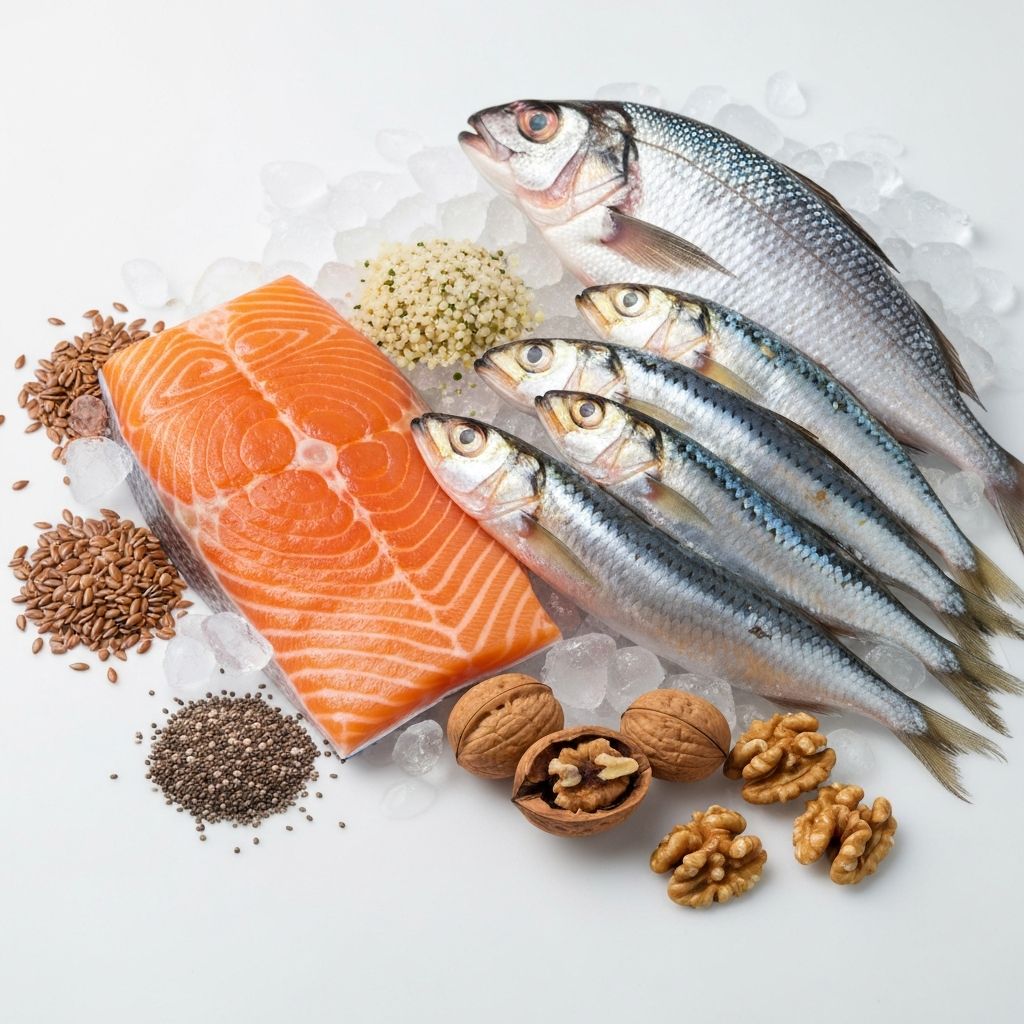
ALA (Alpha-Linolenic Acid)
ALA is found primarily in plant sources. Common sources include flax seeds, chia seeds, walnuts, canola oil, and leafy greens. ALA is the parent compound from which the body can convert smaller amounts of EPA and DHA, though conversion efficiency is limited (typically 5-10%). Including multiple ALA sources throughout the week supports adequate omega-3 intake from plant foods.
EPA and DHA (Marine Omega-3s)
EPA and DHA are long-chain omega-3 fatty acids found predominantly in marine sources: fatty fish (salmon, mackerel, sardines, herring), shellfish, and seaweed. These forms do not require conversion and are more readily utilized by the body. Some algae-based supplements provide plant-derived EPA and DHA.
In traditional Indonesian cuisine, seafood is a regular dietary staple, naturally providing marine omega-3s. Fish such as mackerel, sardines, and anchovy are particularly rich sources.
Roles in Cell Structure and Function
Cell Membrane Components
Omega-3 fatty acids are integral components of cell membranes, affecting membrane fluidity and flexibility. This is particularly important in nerve cells and the brain, where proper membrane function supports signal transmission and neurological processes. The eyes, rich in DHA, rely on adequate omega-3 status for visual function.
Signaling Molecules
Omega-3 fatty acids give rise to signaling molecules called eicosanoids, which influence inflammatory responses and immune function. They also support the production of other regulatory compounds involved in cardiovascular and brain function.
Dietary Balance
Omega-3 and omega-6 fatty acids work in balance. Modern diets often contain higher ratios of omega-6 to omega-3 due to increased consumption of oils high in omega-6 (sunflower, soybean oil). Incorporating more omega-3 sources supports a healthier balance.
Incorporating Omega-3s into Daily Eating
Fish and Seafood
Consuming fatty fish 2-3 times weekly provides EPA and DHA directly. Traditional Indonesian seafood preparations—grilled, steamed, or in curries—preserve nutritional value. Even canned fish like sardines and mackerel provide omega-3s and are convenient sources.
Plant-Based Sources
For plant-based eating patterns, including daily sources of flax seeds, chia seeds, walnuts, or hemp seeds supports ALA intake. These can be added to breakfast cereals, smoothies, or salads. Leafy greens also contribute small amounts of ALA.
Oil Choices
Canola and walnut oils provide ALA. In cooking, these oils can be used for lower-heat applications. Coconut and olive oils offer other nutritional benefits and are part of traditional Mediterranean and Southeast Asian cuisines.
Seaweed and Algae
Seaweeds, used in Asian cuisines, contain some EPA and DHA, as well as ALA. They provide omega-3s alongside minerals and other compounds.
Explore Related Topics
Learn about other supportive compounds and nutrients that work together to support general wellness.