Everyday Nutrition Insights
Exploring the role of vitamins, minerals, and supportive compounds in balanced dietary habits and routine wellness.

Educational content only. No promises of outcomes.
Introduction to Everyday Nutrient Roles
Vitamins and minerals are essential compounds found naturally in food. They support countless functions in the human body—from energy metabolism to immune function and tissue repair. Understanding their role in everyday nutrition helps explain why dietary variety and balance matter for general health and routine comfort.
This educational resource explores the history of nutrient discovery, their natural occurrence in food sources, and how modern eating patterns interact with these essential compounds. We discuss general concepts, not individual medical advice.
Explore Key Nutrient Categories
Select a topic below to learn more about specific vitamins, minerals, or supporting compounds and their natural occurrence in everyday foods.
Vitamin Essentials
Discover water-soluble and fat-soluble vitamins, their natural sources, and their roles in normal body function.
Learn MoreMineral Basics
Explore key minerals like magnesium, zinc, and iron—where they occur in food and why variety matters.
Learn MoreDaily Comfort Compounds
Understand supportive substances like omega-3 fatty acids, probiotics, and plant compounds in everyday eating.
Learn MoreCommon Dietary Patterns in Indonesia
Indonesian dietary traditions emphasize balance and variety. Rice, vegetables, legumes, and seafood form the foundation of meals. Traditional cooking methods—steaming, boiling, and using spices like turmeric and ginger—have been valued for centuries.

Nutrient Highlights in Traditional Foods
Rice and Grains: Primary carbohydrate sources; whole grain varieties offer additional B vitamins and fiber.
Vegetables and Leaves: Kangkung, cassava leaves, and other greens provide minerals, vitamins, and phytonutrients.
Legumes and Soy: Tempeh and tofu are nutrient-dense, offering protein and minerals including iron and magnesium.
Seafood and Fish: Provide omega-3 fatty acids, selenium, and iodine. Traditional fermented fish paste adds probiotic cultures.
Spices: Turmeric, ginger, and garlic contain bioactive compounds and have been used in traditional practices.
Water-Soluble Vitamins: Food Sources
Water-soluble vitamins (B-complex and vitamin C) are not stored in the body and must be obtained regularly through food. Here are common food sources:
| Vitamin | Natural Occurrence | General Role |
|---|---|---|
| Vitamin B1 (Thiamine) | Whole grains, legumes, pork, seeds | Carbohydrate metabolism |
| Vitamin B2 (Riboflavin) | Eggs, mushrooms, almonds, dairy | Energy production |
| Vitamin B3 (Niacin) | Chicken, tuna, peanuts, mushrooms | DNA repair, energy metabolism |
| Vitamin B5 (Pantothenic Acid) | Avocado, eggs, mushrooms, chicken | Hormone and cholesterol synthesis |
| Vitamin B6 (Pyridoxine) | Chickpeas, bananas, salmon, potatoes | Amino acid and neurotransmitter metabolism |
| Vitamin B12 (Cobalamin) | Fish, meat, eggs, fortified plant foods | Red blood cell formation, nerve function |
| Vitamin C (Ascorbic Acid) | Citrus, papaya, bell peppers, tomatoes | Collagen synthesis, antioxidant function |
Fat-Soluble Vitamins: Natural Sources
Fat-soluble vitamins (A, D, E, K) are stored in body tissues and require dietary fat for absorption. Understanding their natural occurrence helps explain why dietary diversity matters:
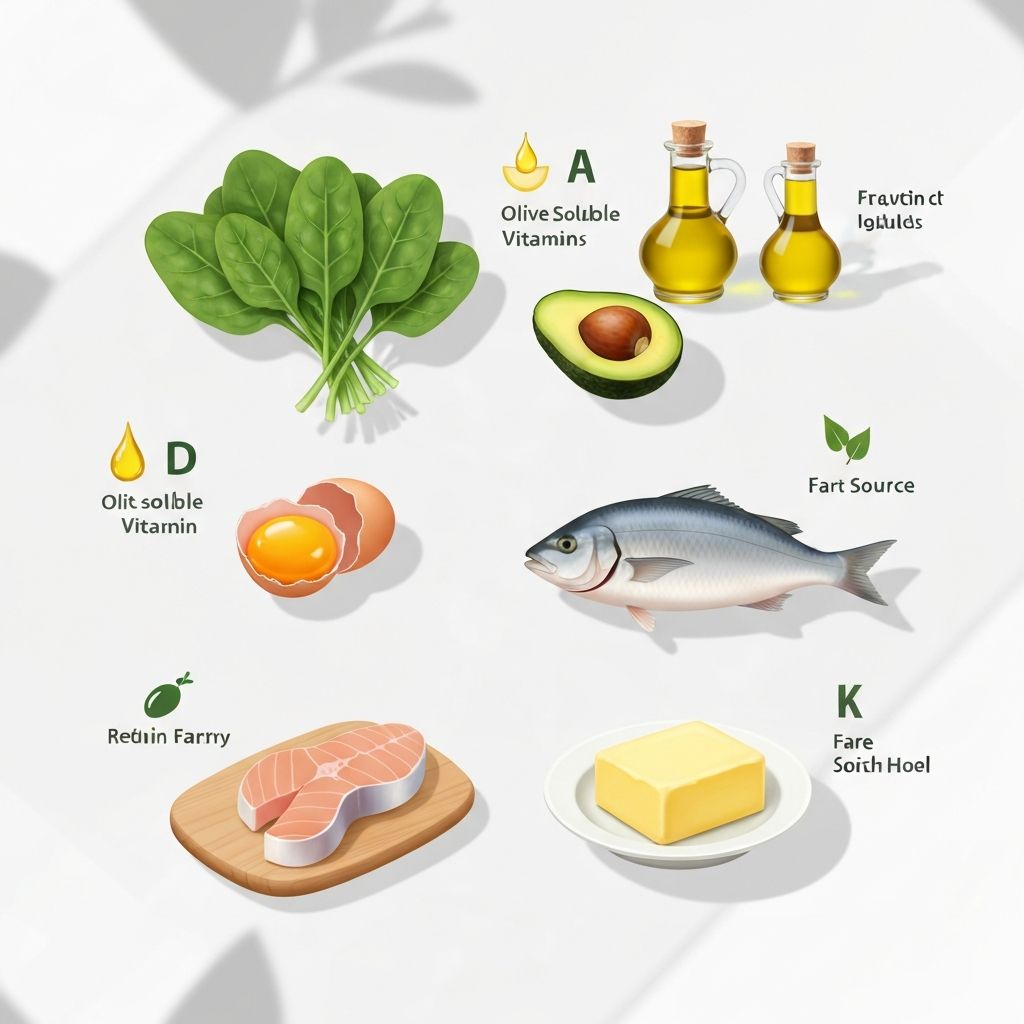
- Vitamin A (Retinol & Carotenoids): Found in dark leafy greens, orange vegetables, and animal liver. Supports vision and immune function.
- Vitamin D: Synthesized from sunlight exposure. Also found in fatty fish, egg yolks, and mushrooms. Supports calcium absorption and bone health.
- Vitamin E (Tocopherols): Present in nuts, seeds, vegetable oils, and leafy greens. Functions as an antioxidant in cell membranes.
- Vitamin K: Found in leafy greens (K1) and fermented foods (K2). Supports blood clotting and bone mineralization.
Understanding Nutrient Bioavailability
Bioavailability refers to the extent to which nutrients from food or supplements can be absorbed and utilized by the body. It is influenced by several factors:
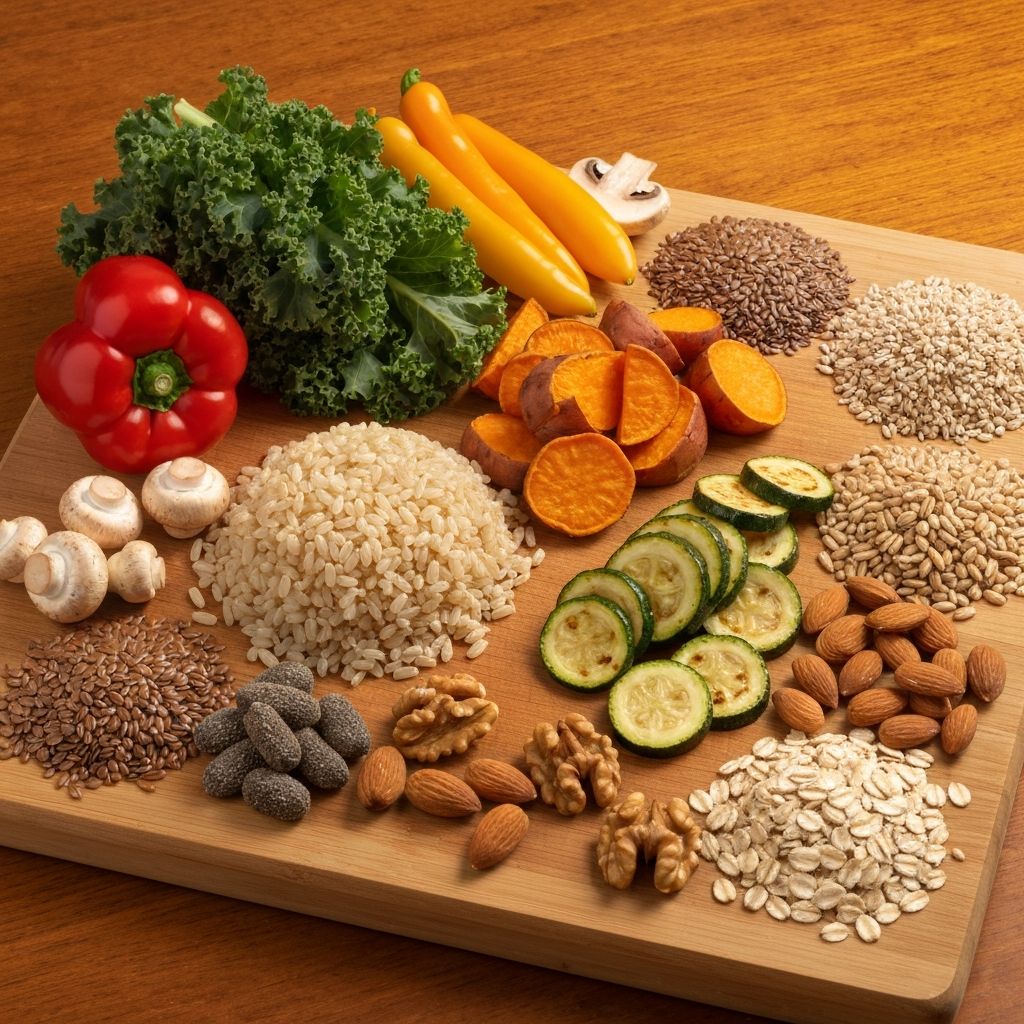
- Food Form: Whole foods contain nutrient complexes and cofactors that enhance absorption compared to isolated nutrients.
- Cooking Methods: Some nutrients increase with cooking (lycopene in tomatoes), while others decrease (vitamin C in leafy greens). Variety in preparation methods optimizes nutrient intake.
- Dietary Composition: Fat facilitates absorption of fat-soluble vitamins. Vitamin C enhances iron absorption from plant sources. Fiber supports mineral bioavailability.
- Individual Factors: Age, digestive health, medications, and genetic differences affect how efficiently nutrients are absorbed and used.
Nutrients from Food vs. General Supplement Forms
This neutral comparison explains how nutrients naturally occur in food versus general dietary supplement forms. Both have roles in different contexts:
| Aspect | Food Sources | General Supplement Forms |
|---|---|---|
| Nutrient Complexity | Contains multiple nutrients, fiber, phytonutrients, and cofactors working synergistically | Typically isolated single or multi-nutrient formulations |
| Bioavailability | Often enhanced by food matrix components; varies by cooking method | Depends on formula design and individual absorption capacity |
| Variety & Balance | Encourages dietary variety; naturally prevents excessive intake | Provides concentrated amounts; useful for addressing specific dietary gaps |
| Cost & Accessibility | Varies; requires regular purchasing and preparation | Can be convenient for people with dietary restrictions or accessibility challenges |
| Integration in Daily Life | Part of normal eating; culturally and socially embedded | Fits into routines where food variety cannot always be achieved |
Global Dietary Guidelines: A Focus on Variety
Dietary guidelines from health organizations worldwide emphasize similar themes: variety, balance, and whole foods. Here's what major guidelines recommend:
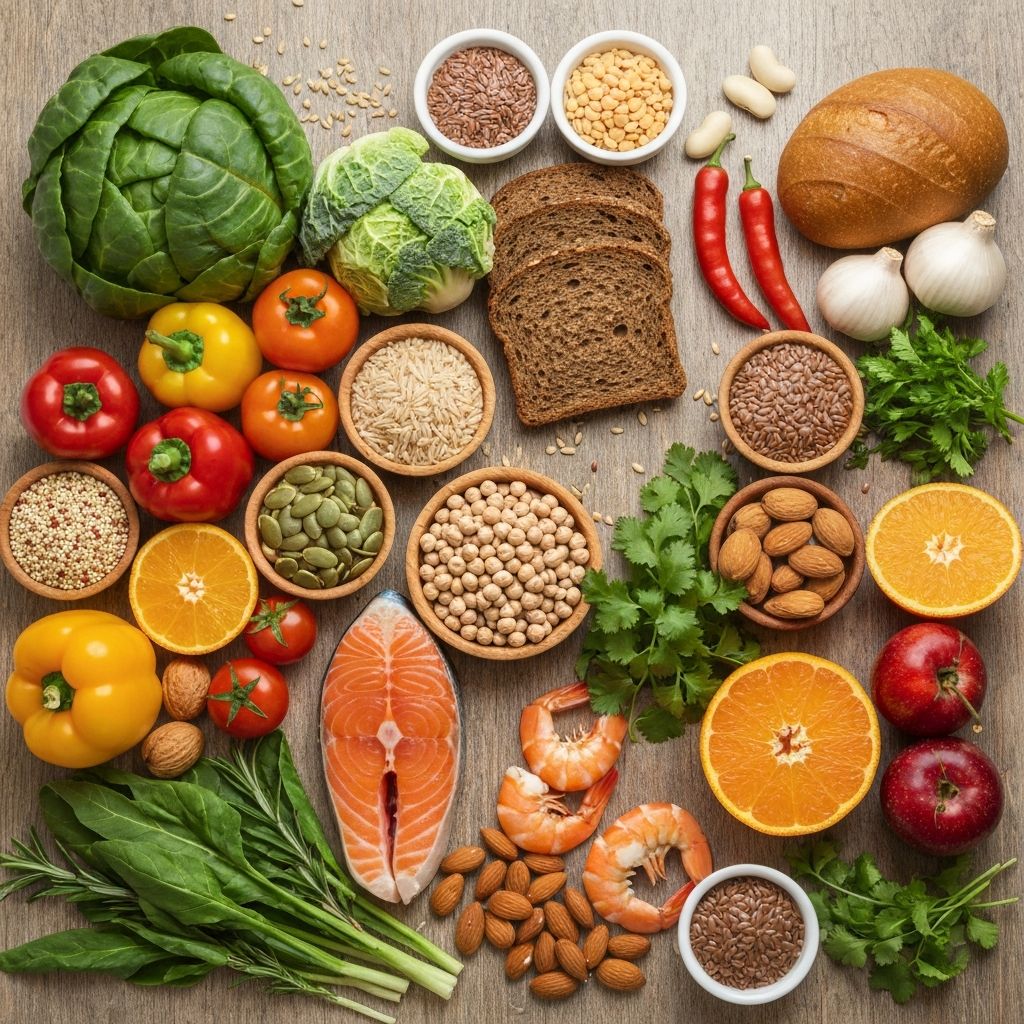
- Variety of Plant Foods: Vegetables, fruits, whole grains, legumes, nuts, and seeds provide overlapping nutrient profiles and protective compounds.
- Adequate Protein: From diverse sources—both animal and plant-based—supports muscle maintenance and enzyme function.
- Healthy Fats: Emphasizes omega-3 fatty acids and limiting excess saturated fats for general cardiovascular and cellular health.
- Limit Processed Items: Whole foods retain nutrient density better than heavily processed versions.
- Cultural Adaptation: Guidelines recognize that traditional foods and eating patterns can support nutritional adequacy.
Myths vs. Facts: Everyday Supplementation
Understanding common misconceptions helps clarify the role of nutrients and dietary choices in everyday life:
Common Myths
- All supplements provide equal benefit to food
- More nutrients always mean better health
- One nutrient can "fix" health
- Supplements replace a varied diet
- Natural always means safer or more effective
Educational Facts
- Food contains nutrient complexes that enhance absorption
- Balance and variety in eating matter; excess can be counterproductive
- Health results from overall dietary and lifestyle patterns
- Supplements address specific gaps when food variety is limited
- Efficacy and safety depend on proper use and individual factors
Continue Exploring Nutrition Topics
Dive deeper into specific nutrient categories, dietary patterns, and everyday dietary concepts.