B-Vitamin Complex Group
An educational exploration of eight B vitamins: their individual chemical properties, interdependent roles in energy metabolism, and natural food sources.
Understanding the B-Complex
The B-vitamin complex consists of eight water-soluble vitamins: thiamine (B1), riboflavin (B2), niacin (B3), pantothenic acid (B5), pyridoxine (B6), biotin (B7), folate (B9), and cobalamin (B12). Though chemically distinct, they work together in metabolic pathways and are often found in similar food sources.
B vitamins are cofactors in enzyme systems that extract energy from carbohydrates, proteins, and fats. They also support nervous system function, cell division, and DNA synthesis. Because they are water-soluble, they are not stored in significant amounts and must be supplied regularly through food.
Individual B Vitamins and Their Roles
B1 (Thiamine)
Chemical Nature: Contains a thiazole ring; sensitive to heat and alkaline conditions. Primary Role: Carbohydrate metabolism; participates in the conversion of pyruvate to acetyl-CoA, a key step in energy production. Sources: Whole grains, legumes, pork, nuts, seeds. Indonesian sources include rice bran and legumes.
B2 (Riboflavin)
Chemical Nature: Fluorescent yellow compound; relatively heat-stable. Primary Role: Electron transport in cellular respiration; supports energy production and works with other vitamins in metabolic pathways. Sources: Eggs, mushrooms, almonds, dairy, leafy greens.
B3 (Niacin)
Chemical Nature: Also called nicotinic acid; forms NAD and NADP, critical coenzymes. Primary Role: Over 400 enzymatic reactions; central to DNA repair and energy metabolism. Sources: Chicken, tuna, peanuts, mushrooms, turkey.
B5 (Pantothenic Acid)
Chemical Nature: Contains a pantol unit; name means "found everywhere." Primary Role: Component of coenzyme A; supports synthesis of hormones, cholesterol, and neurotransmitters. Sources: Avocado, eggs, mushrooms, chicken.
B6 (Pyridoxine)
Chemical Nature: Pyridine-containing compound. Primary Role: Amino acid metabolism; neurotransmitter synthesis; immune function. Sources: Chickpeas, bananas, salmon, potatoes, chicken.
B7 (Biotin)
Chemical Nature: Sulfur-containing compound; exceptionally stable. Primary Role: Fatty acid and amino acid metabolism; supports hair, skin, and nail structure. Sources: Egg yolks, almonds, salmon, mushrooms.
B9 (Folate)
Chemical Nature: Contains pteridine base; synthetic form is folic acid. Primary Role: DNA synthesis; cell division; nucleotide metabolism. Sources: Leafy greens, legumes, asparagus, chickpeas, fortified grains.
B12 (Cobalamin)
Chemical Nature: Contains cobalt metal; most complex B vitamin. Primary Role: Red blood cell formation; myelin synthesis; DNA synthesis; nerve function. Sources: Fish, meat, eggs, fortified plant-based products.
Interdependent Roles in Metabolism
Energy-Yielding Pathways
B vitamins work together in metabolic pathways that extract energy from food:
- Carbohydrate Metabolism: B1, B2, B3, B5, and B7 participate in pyruvate dehydrogenase and the citric acid cycle, releasing energy from glucose.
- Amino Acid Metabolism: B6, B12, and folate support the conversion and utilization of amino acids.
- Fatty Acid Metabolism: B5, B7, and B12 support the breakdown of fats for energy.
DNA Synthesis and Cell Division
Folate, B12, and B6 work together to support nucleotide synthesis, essential for cell division and DNA replication. This is particularly important during periods of growth and rapid cell turnover.
Food Sources and Dietary Patterns
Whole Foods Provide Multiple B Vitamins
One advantage of obtaining B vitamins from whole foods rather than individual supplements is that foods typically contain multiple B vitamins. For example:
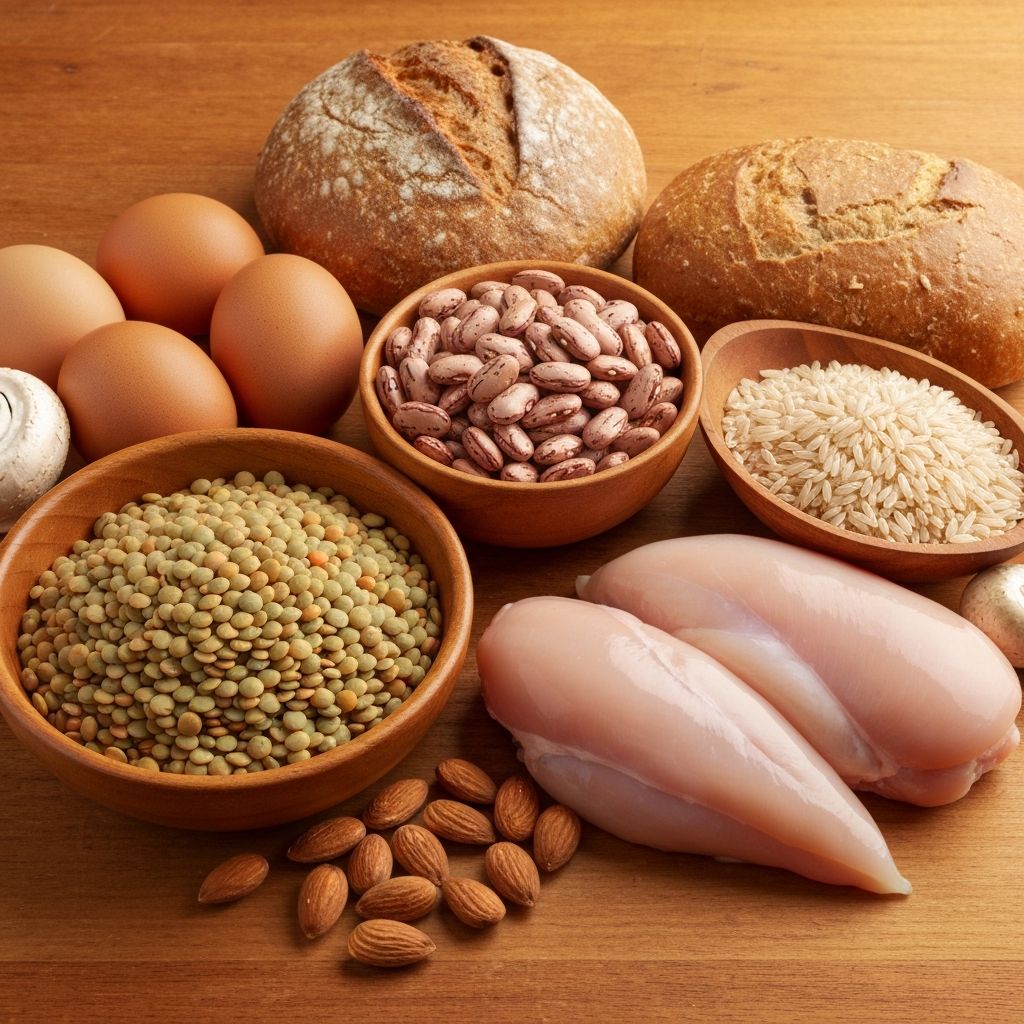
- Whole grains: Provide B1, B3, B5, B7, and folate
- Legumes: Provide B1, B6, B9 (folate), and small amounts of other B vitamins
- Eggs: Provide B2, B5, B7, B12, and choline
- Fish: Provide B3, B5, B12, and small amounts of others
Traditional Indonesian Dietary Sources
Traditional eating patterns naturally incorporate diverse B-vitamin sources:
- Rice and whole grains (B vitamins naturally present; additional in fortified products)
- Legumes: beans, lentils, chickpeas in soups and curries
- Tempeh: fermented soy product providing B vitamins
- Seafood: regular in traditional coastal diets
- Leafy greens: in salads and cooked vegetable dishes
- Eggs: in various traditional preparations
Consuming a variety of these foods across meals and days ensures adequate intake of all eight B vitamins.
Explore Related Topics
Learn about adaptogenic herbs and other nutritional support compounds in traditional diets.